



North American Firm Recycles Waste Textiles via Chemical Process to Produce High-Purity Terephthalic Acid (TPA)
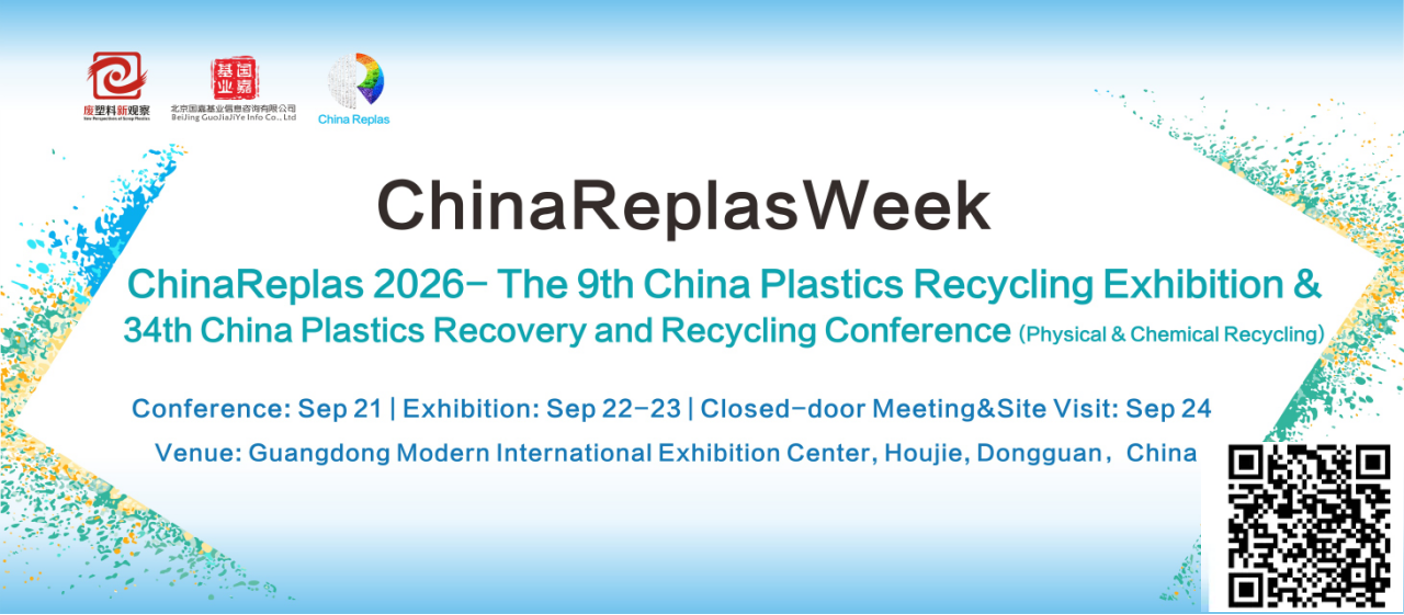
For event inquiries: 18901309935 (WeChat)
Currently, the global textile industry is confronted with severe environmental challenges. Research published in the academic journal Sustainability points out that the pollution and waste output generated by the textile industry are staggering, with inefficient waste management and excessive consumption patterns standing as core pain points. Statistics show that 120 million tons of used textiles are discarded worldwide every year, yet less than 0.5% get recycled; the vast majority end up in landfills or incineration plants.
Although mechanical recycling is currently the mainstream textile treatment method with relatively low costs, it struggles to process mixed fibers contaminated with dyes, coatings, finishing agents and other pollutants. Against this backdrop, Boston Consulting Group (BCG) states that establishing an efficient circular economy system to raise the recycling rate of used textiles above 30% could produce recycled fibers worth over 50 billion US dollars, bringing enormous opportunities to the textile industry and the planet’s ecosystem alike.
Denovia, a North American enterprise, has recently unveiled a chemical recycling technology that offers a new solution to this challenge. The technology can convert post-consumer textile waste contaminated with dyes, coatings and other impurities into terephthalic acid monomers with a purity as high as 98.3%. According to the company, this purity matches that of virgin raw materials.
Unlike traditional thermoplastic recycling methods, Denovia’s technology can efficiently handle complex compositions of mixed fibers. Nick Spina, CEO of Denovia, emphasized that a major breakthrough of this technology lies in the drastic cost reduction of chemical recycling. The process operates at a mild temperature range of 70 to 90 degrees Celsius. Compared with conventional energy-intensive chemical recycling processes, it consumes less energy and delivers markedly higher resource efficiency.

Denovia’s system is renowned for its high speed. A typical plastic conversion process only takes 5 to 15 minutes, and the fastest reaction can even finish within 30 seconds. The combination of high throughput and low energy consumption makes the system more economically viable.
Take Denovia’s PL-1000 unit (codenamed “Ark”) as an example; the machine can process 1,000 liters of plastic waste per batch. By breaking waste down back into base monomers, enterprises can not only avoid high incineration disposal fees (typically CAD 200–400 per tonne) but also generate revenue by selling the recycled monomers to industrial buyers. Spina stated that customers can generally achieve return on investment within 12 to 15 months after commissioning the technology.
To accelerate the global rollout of this technology, Denovia has launched a new round of financing. In its announcement dated June 5, 2026, the company clarified that the financing aims to support business expansion, large-scale equipment deployment and the deepening of strategic partnerships.
As environmental regulations grow stricter and circular economy concepts gain wider acceptance, chemical recycling technologies developed by companies like Denovia may become the key to turning textile waste into valuable resources. To hit the 30% recycling target projected by BCG, the industry still requires sustained investment and cross-party collaboration in waste collection infrastructure, technical adaptation and market promotion.(Source: PlasticsToday)

Regular clients may contact our staff directly; new visitors please scan the QR code.
Tel: 18901309935 (WeChat )
This article is sourced from WeChat Official Account: New Vision of Recycled PET


Recommended Posts
Visit
Exhibit
Conference Forum
News
Contact US
Add: 502, Unit 1, Building 5, the Pearl River River Moore Building, No.1 Beiqing Road, Changping District, Beijing
Tel: 010-62665052
Email: 18519522106@replas.org.cn

WeChat Official
Account
Copyright © 2023 BeiJing GuoJiaJiYe Info Co.,Ltd. Beijing ICP preparation number 13003717-1 Powered by Xunxiang Technology


